Five Hours a Week Back: Why Your Marketing Shouldn't Require Constant Hands-On Tweaking for Time Management in Marketing Teams
It's 4:45 on a Friday and you're rewriting the same LinkedIn post for the third time this week, not because the strategy changed, but because nobody agreed on the strategy in the first place. If you're a marketing manager running a two-to-five person team inside a staffing firm or professional services shop, this scenario probably feels less like a hypothetical and more like your calendar. This guide is for you: the marketer who's tired of tweaking instead of building.
Consider a hypothetical staffing firm's marketing team, let's call them a typical composite, not a real client, that publishes three blog posts, a handful of social updates, and a client newsletter every month. On paper, that's a manageable workload. In practice, half the week disappears into re-briefing writers, re-approving graphics, and re-launching campaigns that got pulled mid-flight because someone higher up decided the messaging "didn't feel right." None of that shows up on a project timeline. It just eats hours.
The Hidden Cost of Reactionary Marketing for Small B2B Teams
This is the pattern practitioners in this space see over and over: a lean team juggling multiple campaigns, constantly re-briefing, re-approving, and re-tooling content that's already in motion. Someone writes a draft. Someone else says it's off-brand. It gets rewritten. Legal wants a change. It gets rewritten again. By the time it publishes, the team has spent three or four times the effort the task should have required, and nobody can quite explain where the time went.
Here's the uncomfortable truth: this isn't a staffing problem. Hiring a sixth marketer won't fix it. It's a process problem, rooted in the absence of a documented strategy that should have answered these questions before anyone opened a content editor. Teams stuck in this loop aren't understaffed, they're under-planned.
The promise of this article is simple and specific: identifying and reclaiming roughly five hours a week through workflow changes, not headcount changes. That's the tension worth naming directly. There's a version of marketing where you're always tweaking, always in reactive mode, chasing approvals and rewriting captions because the direction was never locked down. And there's a version where you set up the strategy once and run consistently against it, adjusting on data instead of guesswork.
Where the Hours Actually Go
Break down a typical week for a reactive marketing team and three time drains show up consistently.
Unclear briefs that trigger two, three, or four rounds of revisions because the creative brief didn't define the audience, the message, or the call to action upfront.
Approval chains with no defined owner, where a piece of content bounces between three stakeholders because nobody was designated as the final decision-maker.
Mid-campaign pivots triggered by launching creative without a real strategy behind it, so the team discovers halfway through that the messaging doesn't match what sales is actually hearing from prospects.
Each of these feels small in the moment. A quick Slack thread here, a five-minute call there, a "can you just tweak the headline" message on a Tuesday afternoon. But these micro-interruptions compound across a week or a campaign cycle into something much bigger. One pattern we see constantly: teams underestimate this time because it's scattered across Slack messages, email threads, and quick calls rather than tracked as actual work. Nobody logs "45 minutes reconciling conflicting feedback" in a project management tool. It just gets absorbed into the day, and the day gets longer.
Trace any one of these drains back far enough and you land in the same place: there was no documented strategy or workflow that would have answered the audience question, the messaging question, or the approval question before the content ever went out the door. The revisions aren't really about wordsmithing. They're symptoms of skipping the upfront work.
Why Prompt Driven Tools Create Hidden Time Debt
A lot of small teams have already tried to fix this with AI. They open a prompt-based tool, type in a request, get a draft back in thirty seconds, and feel like they've solved the speed problem. Individually, each task does feel fast. But speed at the task level isn't the same as speed at the campaign level, and this is where prompt-driven tools quietly create hidden time debt. Here's why: a prompt-based tool has no memory of your brand voice, your competitive positioning, or your strategic plan from one prompt to the next. Every request starts from zero. So you end up re-explaining your audience in the prompt, re-explaining your tone, re-explaining what you already told it last week. Then you get a draft that's generic enough to need three rounds of edits to sound like you instead of like every other company using the same tool. That "fast" thirty-second draft turns into an hour of revisions, and you've just paid the same time debt you were trying to avoid, dressed up as productivity.
Strategy-first workflows work differently because the upfront thinking happens once, not every single time. When your audience map, brand voice, competitive positioning, and content plan are documented and built into the workflow itself, every subsequent piece of content inherits that strategy instead of reinventing it. This is the core difference between ad-hoc prompting and structured workflows: one treats every task as an isolated event, the other treats every task as an extension of a plan you already made.
A Simple ROI Calculation for Time Saved
Run a rough estimate for your own team. Take a typical week and count the hours spent on revision rounds, approval back-and-forth, and mid-campaign pivots, not the hours spent on the actual strategic thinking or the final creative work, just the friction. For a hypothetical two-to-three person marketing team, that friction often lands somewhere in the range of four to six hours a week when you add it all up: the re-briefing, the Slack threads, the "wait, who approved this" moments. Multiply that by 48 working weeks and you're looking at a meaningful chunk of your team's annual capacity spent on rework instead of output.
Now imagine cutting that friction in half by front-loading strategy so revisions become adjustments instead of do-overs, and approvals follow a defined path instead of an open-ended chain. That's roughly where the "five hours a week back" framing comes from, it's not a guarantee, it's a realistic target based on removing the most common time drains teams report. The value isn't just the hours themselves, it's what you do with them: more strategic planning, more testing, more of the work that actually moves pipeline instead of patching the work that's already out the door.
A Checklist to Audit Your Current Process
Before you can fix the leak, you need to find it. Walk through your last three campaigns and ask these questions honestly.
Did the creative brief define audience, message, and call to action before anyone started writing, or did that get figured out during revisions?
Is there one named approver for each content type, or does feedback come from multiple people at different stages?
Did the campaign launch align with a documented strategy, or was it built around a deadline with strategy assumed?
How many rounds of edits did the last five pieces of content go through, and what triggered each round?
Are your time drains tracked anywhere, or are they invisible because they live in Slack and email instead of a project log?
If you're answering "figured out during revisions" or "assumed" more than once, you've found where your week is quietly disappearing. This is worth being honest about: this kind of audit isn't ideal for every team. If your campaigns are genuinely simple, one-off, low-stakes efforts, the overhead of building a full strategic workflow might cost more time than it saves, and a lighter-weight process makes more sense. But for teams running recurring, multi-channel campaigns with real stakeholders and real approval chains, the audit almost always surfaces the same handful of culprits.
Building Strategy Driven Workflows That Stick
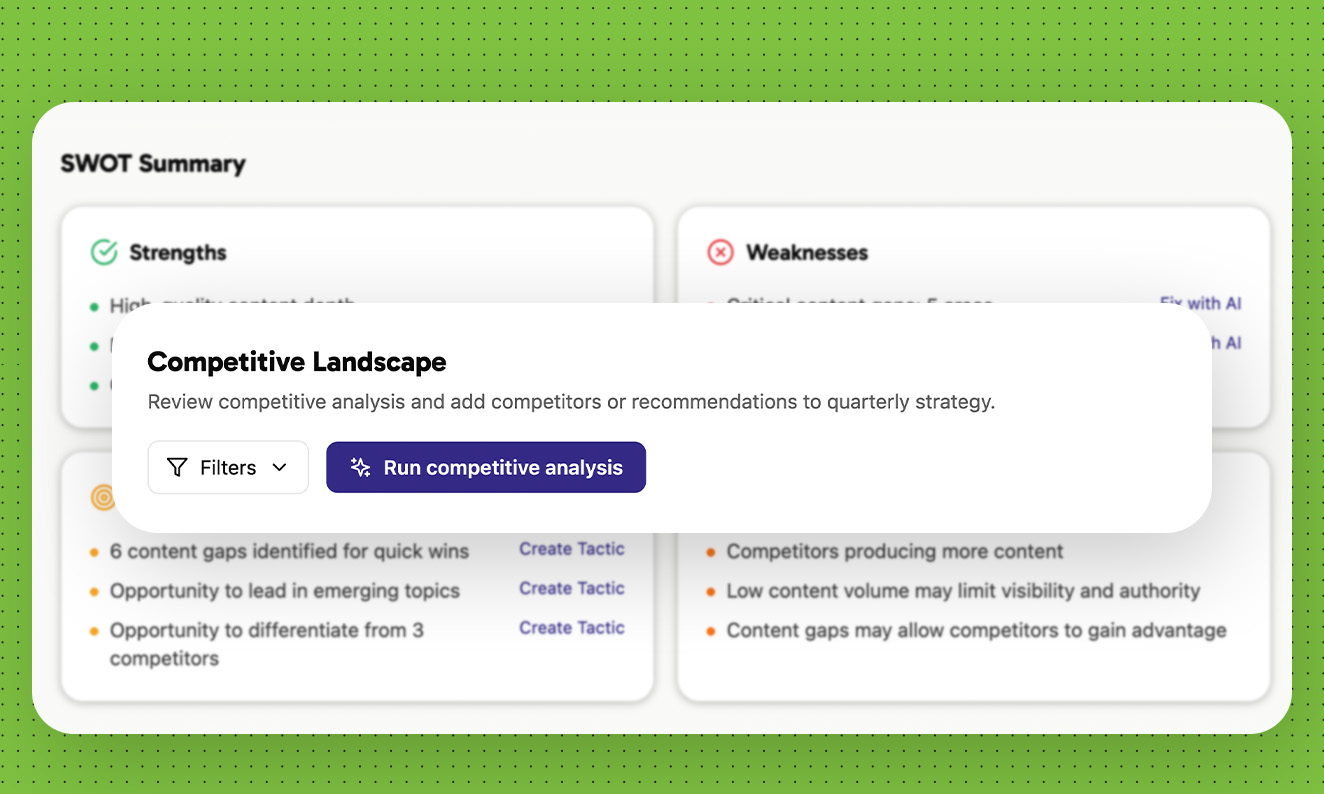
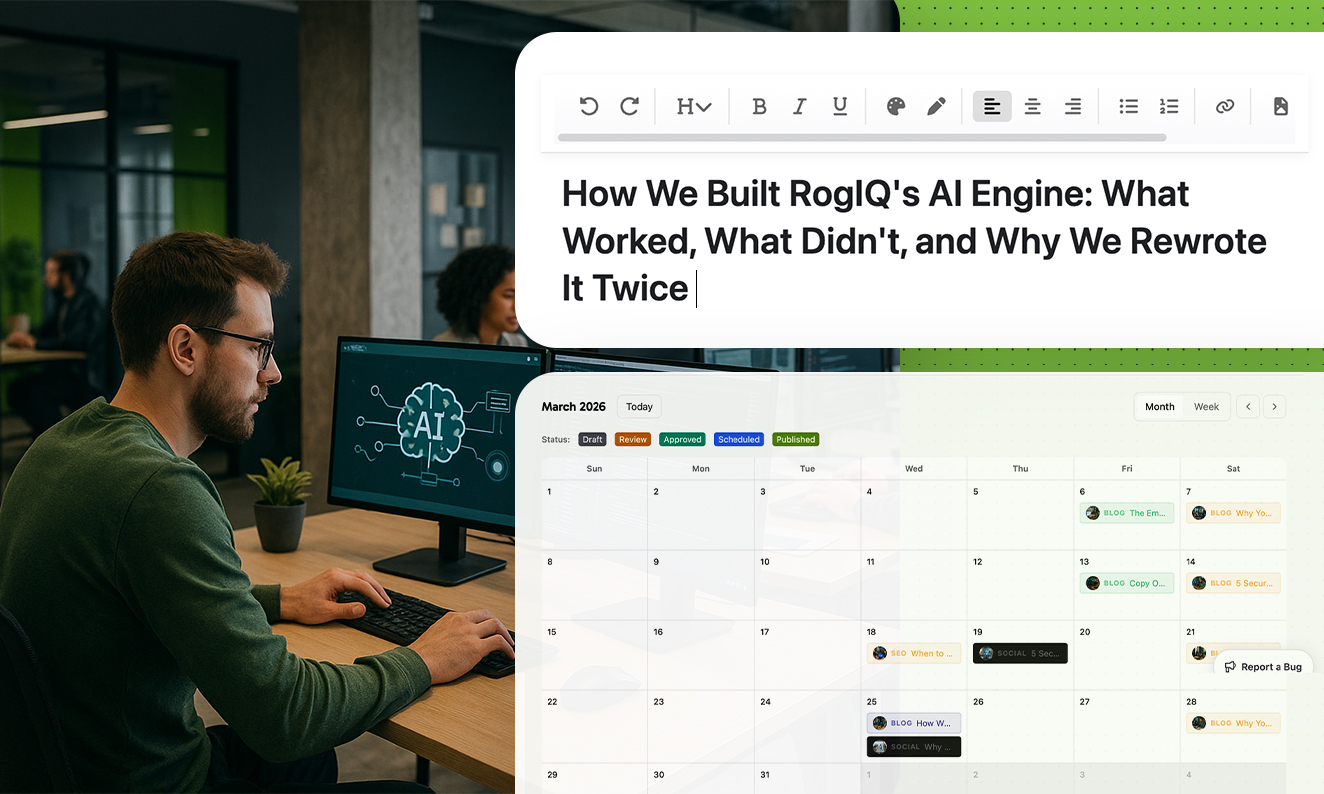
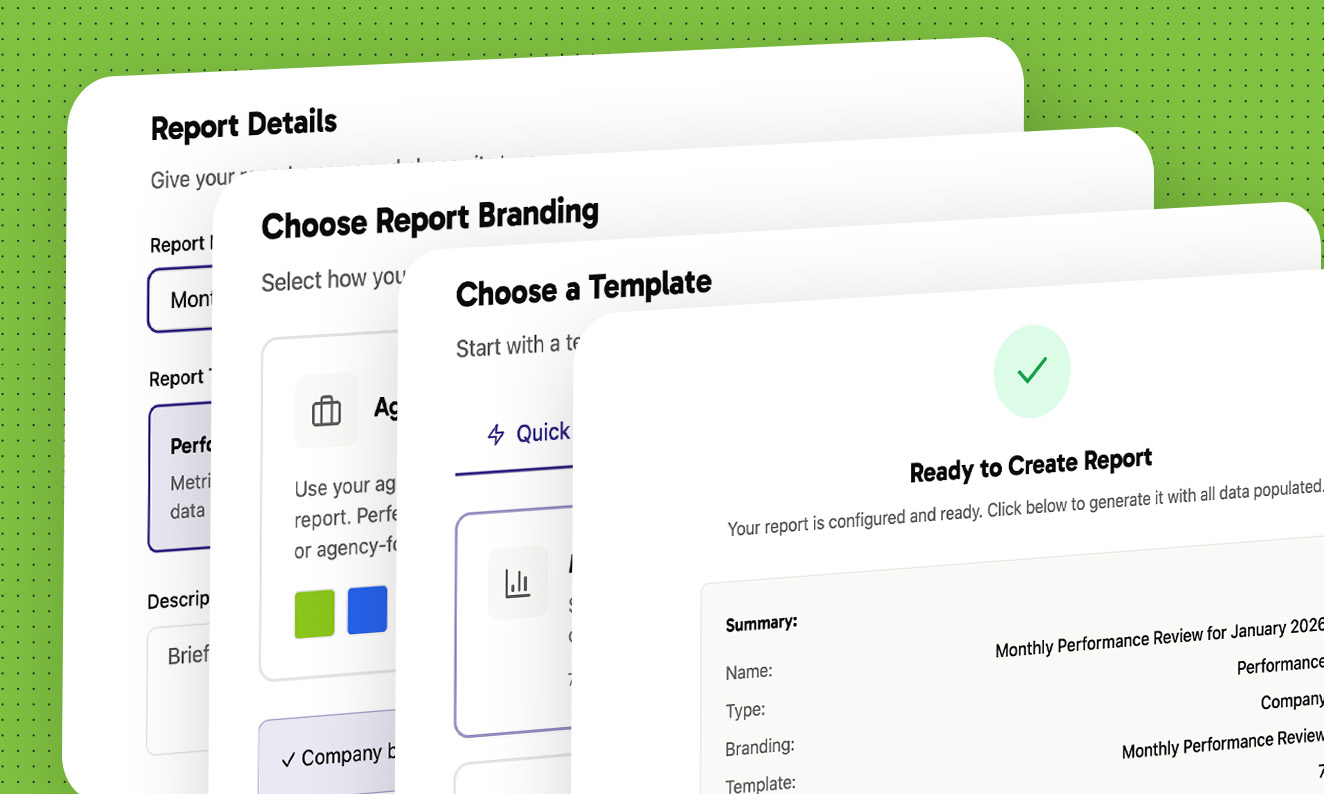
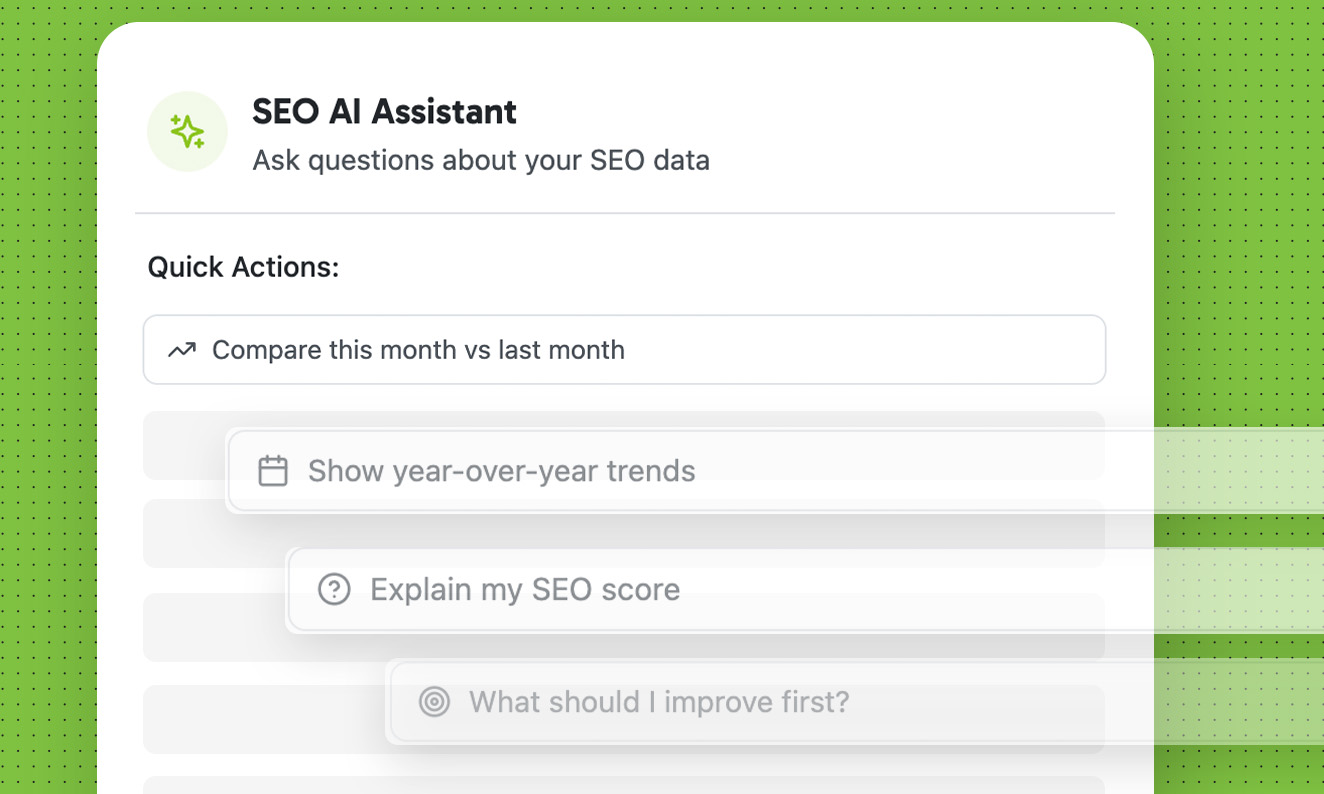
This is exactly the gap Strategy OS was built to close. Instead of starting every campaign from a blank prompt, you start from an audience map, competitive analysis, and strategic plan that's already documented and already trained into your brand voice through the five AI-powered tools that manage brand, strategy, content, and SEO in one workflow. When the strategy exists upfront, the content pipeline inherits it automatically, which is a fundamentally different experience than re-explaining your positioning in a prompt every time you need a social post. If you're a marketing manager tired of choosing between running campaigns and running the business, the AI platform built specifically for marketing managers juggling both is designed around exactly this friction. And if the idea of trading ad-hoc tweaking for a real, repeatable workflow appeals to you, the AI marketing operating system built for teams who refuse to be outworked is worth a look before your next campaign cycle starts.
Start Reclaiming Your Week
Audit your last three campaigns using the checklist above, tag the specific moments where revisions, approvals, or pivots ate time that strategy could have prevented, and map those findings against a documented plan before you launch the next one. RogIQ built its workflow around exactly this shift, from reactive tweaking to strategy-first execution, so your team spends its hours on the work that actually moves the needle.
Contact us today